

















Wider Curriculum


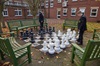




Whilst examination results are very important for future life chances, schools are far more than examination passing factories. Subject curriculums recognise this and deliver broader learning than the examination specifications alone, but they have limited time available and must prioritise excellent results.
Alongside subject time, the school has other means to teach a 'wider curriculum'. This can be very wide ranging but we, and OFSTED, hold ourselves accountable for a myriad of learning that enables our students to leave BGS equipped to face the challenges of a changing world - the wider curriculum embraces and builds in all those other really important things that enhance life.
We recognise we are not the only provider in a student's development, family, friends, community and society as a whole play a huge part in this. However, there are lots of areas where we can make a big difference and we ensure these get appropriate focus in our school.
The wider curriculum has aspects that we believe must be delivered to all, so all have equal opportunity to learn, this includes:
- Safeguarding and equality
- Tutor time activities, including: assemblies; careers education; literacy; mental health; reading and debating; study support.
- Behaviours and character education, including BGS 100
- Work experience
- Leadership education
The importance of these types of learning are probably obvious but for clarity we can explain one as an example - leadership education. This is done in a variety of ways and includes a weekly tutor session through two terms in Year 10. It teaches them the value of understanding leadership, the different styles and when it might be important to show leadership. However, alongside that we run house systems, school councils, prefects, leadership committee system - these all provide the opportunity for children to learn about contributing to a democratic process, public speaking, representing their peers, formulating ideas and proposals, realising the restrictions of budgets, understanding opposing ideas and the lessons learnt from both winning and losing, whilst participating in leadership to improve their school. Pretty important skills for life that you won't necessarily learn in subject areas.
In addition, the wider curriculum is enhanced by both extra-curricular and super-curricular provision.
Extra-curricular provision are activities, sometimes within a subject, that don't explicitly link to exam success. Sometimes these activities may support your child's academic achievement, but they aren't essential to be successful in a subject. They can include:
- School clubs
- Duke of Edinburgh
- Musical performances
- Guest speakers on multiple topics
- Culture trips, including international trips
- and many more
Super-curricular activities take the subjects students study further, beyond what they have learnt in lessons. They aren't essential to the formal curriculum or for academic success, but they can significantly help expand understanding of the subject. They can range from places to visit to making models and from watching films to engaging in MOOCs (Massive Open Online Courses) in nearly any topic you can think of.
You can find out more about super-curricular opportunities within subjects by visiting the subject pages.